
Higher education IT has a habit of being asked to turn “just one more thing” into an operating model.
Just one more compliance requirement. Just one more research network. Just one more cloud platform. Just one more student system. Just one more cybersecurity tool. Just one more urgent request from a department that assumes IT has unlimited hands and a magic wand hidden somewhere behind the help desk.
Now put all of that on a small team with a constrained budget, thousands of unmanaged personal devices, and a campus that expects technology to work everywhere, all the time.
That pressure is showing up in the data as well. In a 2025 EDUCAUSE QuickPoll, 42% of higher education IT respondents said they expected IT budget decreases for the 2025–2026 academic year, with a median expected decrease of 8%. Another 35% expected no change at all. In other words, many institutions are being asked to modernize, secure, and support more without a matching increase in resources.
For many higher education IT leaders, that is not a crisis scenario or a plot from their sleep paralysis demon – it’s just an average Tuesday.
Security That Supports Learning
Campus security has to walk a fine line. Lock everything down too aggressively, and IT becomes the department of “no.” Leave everything open, and the institution becomes a very expensive case study.
The better answer is security that respects how higher education actually works:
- Identity that knows who people are – students, faculty, staff, guests, researchers, contractors, and alumni are not all the same audience.
- Access that changes when roles change – because “former employee with active access” is not a governance strategy.
- MFA where it matters most – broad enough to reduce risk, thoughtful enough to avoid unnecessary friction.
- Federation that enables collaboration – especially when research, cloud services, and inter-institutional partnerships are part of daily operations.
- Zero Trust without the theater – practical segmentation, verification, visibility, and least privilege instead of a buzzword with a dashboard.
Why Institutions Choose Lockstep
Higher education IT has a special talent for turning every technology problem into four other technology problems wearing a trench coat.
A wireless refresh is not just a wireless refresh. It touches authentication, segmentation, residence halls, classroom density, guest access, support processes, monitoring, and sometimes funding.
A security project is not just a security project. It touches identity, directories, remote access, compliance, risk management, and the user experience. Classroom technology is not just classroom technology. It is recruitment, retention, faculty satisfaction, and the daily credibility of the institution.
That is why institutions choose Lockstep.
We bring the combination higher education needs:
- Experience with more than 47 institutions across the Southeast and beyond.
- Depth in networking, from campus wireless and core infrastructure to cloud-managed environments.
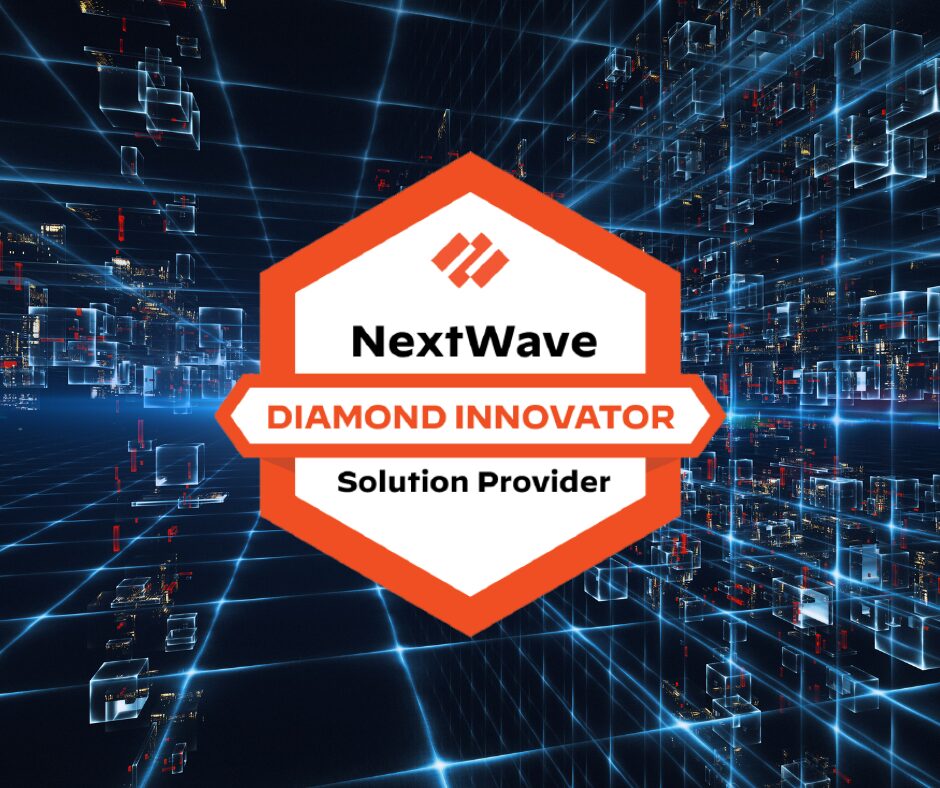
- Cybersecurity expertise, including Palo Alto Networks NextWave Diamond Innovator status.
- Practical identity and access experience, including MFA, federation, directory modernization, and Zero Trust-aligned architecture.
- Classroom and learning technology knowledge, because the academic experience now depends on technology that works reliably.
- Managed services that extend the team, rather than replacing the institutional knowledge that already exists on campus.
The value is not that Lockstep can help with any one of those areas. The value is that we understand how they connect, how they depend on one another, and where the pressure shows up when something goes wrong.
That is usually where the real work is.